


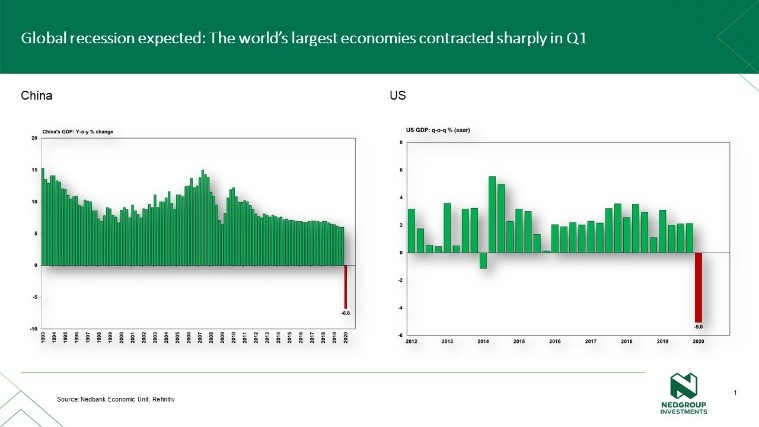
There is a basic premise in my longer article around the fact that our future is in our hands. We must grow our way out of this and forget about government plans to stimulate our economy. Governments around the world are hamstrung. They must support those industries and people who are suffering and can only do this by borrowing. Even ‘richer’ countries in the world are issuing debt to pay for their COVID responses. One of these, the USA, is projected to take a couple of years to pull its own unemployment out of where it is. This means that us, here in SA, will take even longer.
Economic models and how to get out of this?
Apparently, there is no economic model that has any real clue about how this will pan out. Everyone (person and government) has a plan but no one can say with great certainty which of them will succeed. A winning strategy, in this game of Pandemic, will only be uncovered with hindsight. Once we are through it and economies have bounced back, then we will be able to assess which company, government and individuals had a strategy that succeeded.
Here are some stats that I have found incredible:
- This is the broadest collapse in per capita income since 1870 – 150 years.
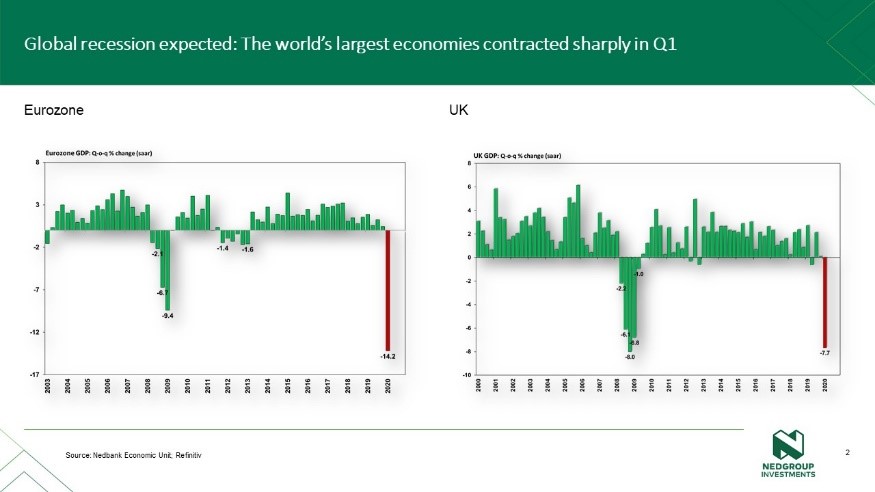
- Globally we have seen the greatest collapse since the great depression in the late 20’s.
- Definitely in living memory this is the largest shock we have had.
- The monthly falls in the great depression, however, are still much greater then what we are seeing now.
- In SA we have not had such a large collapse since 1921 when there was a drought and we had a 14 – 15 % drop.
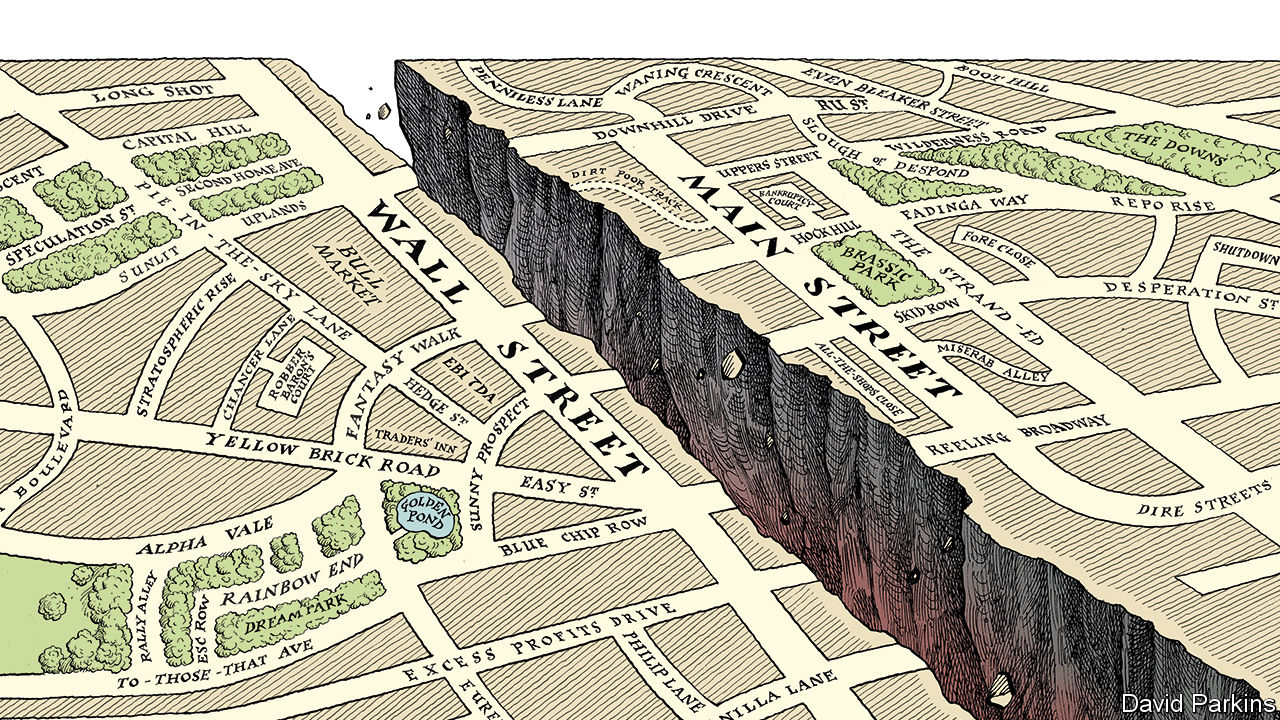
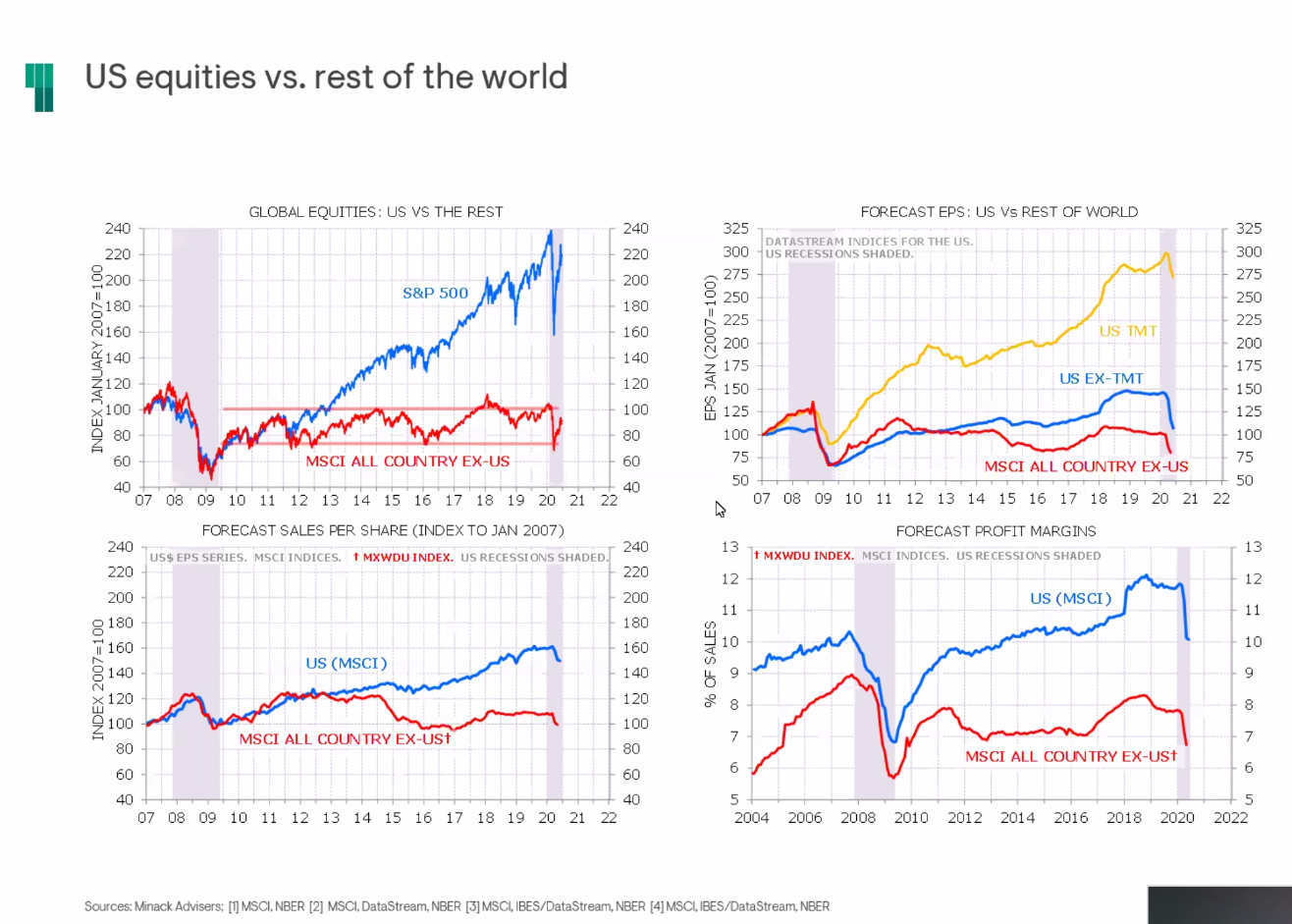
There is also a massive disparity between Main Street and Wall Street. The former being you and me and our businesses and the latter the equity markets in general. This Gap is widening in that the reality of how hard things are not reflected in the global stock markets. This is supported on the ground as retrenchments and stagnating demand is slowly filtering through to everyone. The current V-shaped recovery in equity markets, in my view will flatten out and things will, once again, go quite sideways for several years as this pandemic slowly plays out around the world. We have already had many years of this in SA and hence the reality that this will bite more due to our low base we are already on.
SA Government & National treasury plans:
One thing that is sure is that COVID19 has forced the economy back on to the agenda. Everyone is talking about how tough things are as if they were not before. We forget that we have been battling a tough economic environment for several years now (at least 5 – 7 years). This is also accentuated by large scale inefficiency in our public sectors and uncertainty on government policy. When you combine this with a global pandemic, it accelerates foreigners pulling money out of SA and our own dramatic decline.
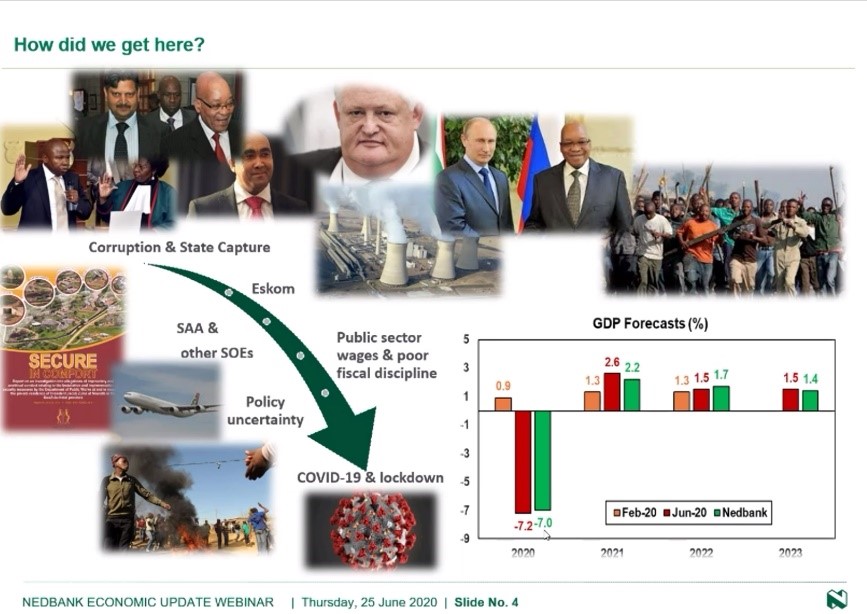
There has been some promise that President Ramaphosa and his government would take drastic steps to turn things around. A lot of us have been critical about this and the apparent lack of decisive action as we have reduced our lockdown levels. I do believe this has strengthened his position in the ANC and here are some indicators:
- Stable policies – zero-based budgeting implemented;
- Reallocation of budget to important areas:
- Most of this was taken from Public sector wage bill;
- This is historic and a big part of what ratings agency’s have been promised that the Government would do.
- Non-essential (seen as – EG: tourism) have had massive cuts to their budgets.
I can only talk for SA based plans as foreign governments have their own internal politics and understanding our own is difficult enough. What I can say for us, South Africans, is that things are looking dire. As Governments share of the economy increases and budget revenue (tax revenue) decreases you have the widening jaws of a hippo opening. This is financed through debt and we will have to service this debt as tax-payers. This is an active scenario as compared to passive scenarios like what happened in Greece which led to a default.
In an active scenario SA will have to constrain long-term expenditure and increase tax collections. Apparently, this will be done from offshore tax collection, specifically on the transfer-pricing side to strengthen anti-avoidance measures.
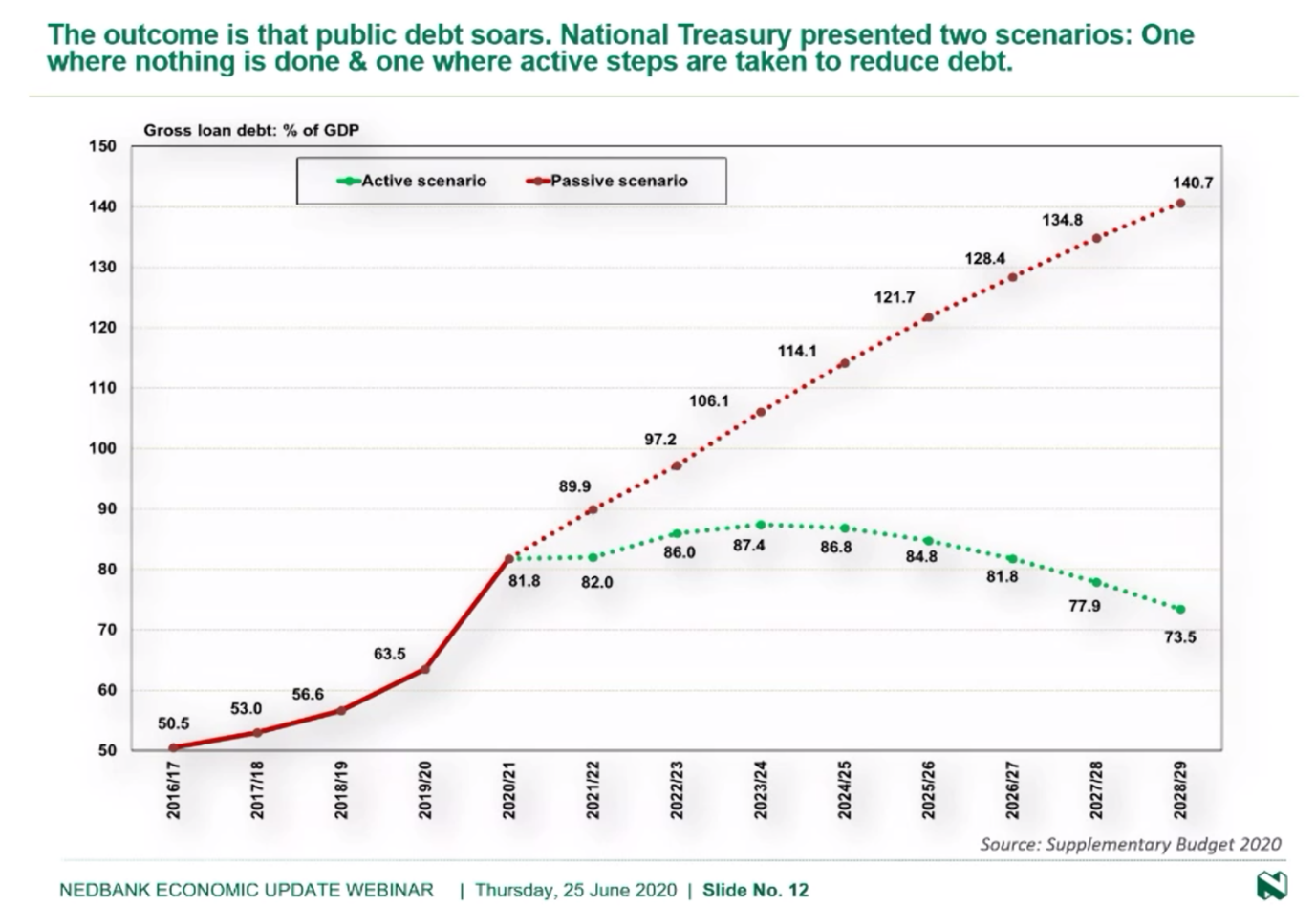
Highlights:
- Budget deficit should widen from 6.8 – 15.7 %;
- A view is that it will take around 7 years for us to recover this income loss
- Regulatory burden must decrease
- Support industries with high job creation – tourism (local probably first) & agriculture
- Regional trade to increase – less reliance on non-African trade.
Financial markets risks
Our largest risk in SA is financing this spending or support for our economy. Our Government must issue bonds and take loans to do this. They were, quite easily, able to get this from the global and local banks. In fact, our financial markets have weathered this storm very well considering we had a ratings downgrade and were removed from the bond index recently. We didn’t require an IMF bailout and then were loaned a good couple billion to assist our COVID response.
I do see this, however, as a part of that widening Gap between the JSE and the spaza shop. Our markets have recovered but trading at the spaza shop is down considerably.
One thing we need to encourage is foreign investment into our debt. Apparently, there is little appetite for our long-term bond and as such Government is being forced to finance this over a shorter time frame (7 – 10-year maturity debt). Our steep yields compared to other emerging markets seems weird considering the company we keep (Eg: Brazil) and this is worrying. We need global risk appetite to return and a V-shaped recovery but that requires confidence in us. That isn’t going to happen unless we have a determination from Business, Presidency (Government) and government employees on the ground to be a part of this. An ongoing challenge to our effective recovery is our endemic corruption and high unemployment. We also have our strong union representation within our large Corporate and Government which can present a challenge to brave moves that have a short-term reduction or reallocation of employment.
No one can see our future but the path they are laying out is quite clear and suggests a cogent understanding of how to do this.
One thing is evident is that houses are moving, and when the housing market is moving properties, I see this as a ‘green shoot’ that people believe things will change and are banking on the future.
Personal View
My contention here is that if we want to shorten this malaise we all need to actively play our part in pushing growth. Those with resilient businesses or those that are thriving, should spread their wealth to support others. We can just expect our Governments to do this heavy lifting. There are industries that may never coming back from this and where are those employees going to go? They will have to reskill themselves into other industries or professions. Easier said for younger workers who may be more able to do this but what about those older generations? Once again, we as employers, could do things to assist in that regard and figure ways to support those that cannot. This is a large part of where Governments will have to come in.
I am an eternal optimist, which means I will live longer and have more success (according to stats). And as such do believe that we can make things happen and grow quicker but this is only possible if we all do this together. In a global world pocketed with anti-globalisation sentiment, who knows, I am, however, still fortunate to be positive that I control my own destiny and as such can rely on me to make it happen. I also believe that most of our planet feels similar and that this move to insular life will be trumped by our need for growth and prosperity.
I am talking about a self-fulfilling prophecy here. It is very clear that unless we all work together on reviving the World and South Africa’s economy it will be a long hard slog to get out of this hole. I can only, comfortably, speak for my own business and that of our clients with which we have engaged during this period. Our business relies on clients being able to afford to invest, insure and grow. As such our livelihood is dependent on theirs.
Things are tough out there and people are making plans with many of us already, hustling and bustling our way every day to keep things ticking over. Some out of needs to feed our families and others just because that is the way we are built. Part of this hustling would also be a desire to build, create and engage one’s conscious existence in a life that will be more then what it was before.
Another positive from this time is a focus on what is best. That there is time to spend sitting having conversations, exercising and being present to our lives. We have seen this in how Governments have had to redesign their budgets and their ways of engaging with their populace. This has also exposed their ineffectiveness in assisting our most vulnerable citizens.
So in Summary:
Worse economic recession that we have ever, personally, seen. We should get anywhere between 7% negative (expected) and up to 16 % negative. We need global carry trade to come back and it should happen but will be sluggish as Global economies focus on repairing themselves before looking externally. Remember that with low rates it becomes easier for borrowing and this can then be deployed globally even if we don’t see it as quickly as we have in the past though. At some point yield will be required and our debt offers that.
As I have mentioned above, there is no effective model or projection that any Government, think tank or economist can suggest with certainty. If we want this to turn around, as we do, then we must foster it among ourselves and take it from Main Street to Wall Street. That way we will see a recovery in our invested wealth as well as our economy in general.
Regarding interest rates, the SA Reserve bank is unlikely to drop rates again. Inflation is below their bottom rung of their targeting band and hence there is no need to make use of this as a tool in their arsenal. They also don’t like negative real rates however they surprised us this week with another cut, but this must have been hard fought in their meetings. I guess if global governments can go negative why can’t ours?
Regarding COVID19, I am confident that SA should bounce back. We are a resilient and youthful population with a low death rate (so far at only 2 % in Africa compared to the global 5 %). As above we need to grow our way out of this and it is up to us, all of us to do this. We can’t wait for the Government to do their thing. Being youthful also bodes well for our economy as we should be able to reallocate resources efficiently. We don’t have an ageing population that western economies do and will have to support as they lag this ability to re-skill.
All this points to time, so please understand that things will be tough for a while still and this means that Equity and investment returns will be muted. If we all go into our weeks positive to change things then maybe our combined efforts will have a global impact.
For more positives watch JP Landman’s talk specifically around our infrastructure spend on power generation
For clarity on what I have included above watch Nicky Weimar’s talk here


